A Homeowner's Guide to Preventing Frozen Pipes This Winter
As the crisp air settles into the Fraser Valley and the peaks of the Cheam Range get their first dusting of snow, we all start preparing for the colder months ahead. While winter in Chilliwack is beautiful, it also brings a significant risk to our homes: frozen pipes. A burst pipe can cause thousands of dollars in water damage, leading to stressful and costly repairs. The good news is that with a little preparation, you can protect your home's plumbing system and enjoy peace of mind all season long. At Vinfer Mechanical Ltd, we believe in proactive care to prevent emergencies. This guide will walk you through the essential steps to winter-proof your pipes.
Why Frozen Pipes Are More Than Just an Inconvenience
Understanding the risk is the first step toward prevention. When water freezes, it expands by about 9%. This expansion exerts immense pressure on whatever is containing it, whether it's a metal or plastic pipe. It’s this pressure that causes pipes to crack and burst, not the ice itself. The pipes most at risk are those exposed to severe cold, like outdoor hose bibs (the taps for your garden hose), and pipes in unheated areas such as basements, crawl spaces, attics, and garages.
A burst pipe can release hundreds of litres of water per hour, damaging drywall, flooring, insulation, and personal belongings. The subsequent cleanup and repair process is often complex, disruptive, and expensive. Taking preventative measures is one of the smartest investments you can make in your property, ensuring your home remains a warm, dry sanctuary during the coldest days.
Step 1: Winterize Your Outdoor Plumbing
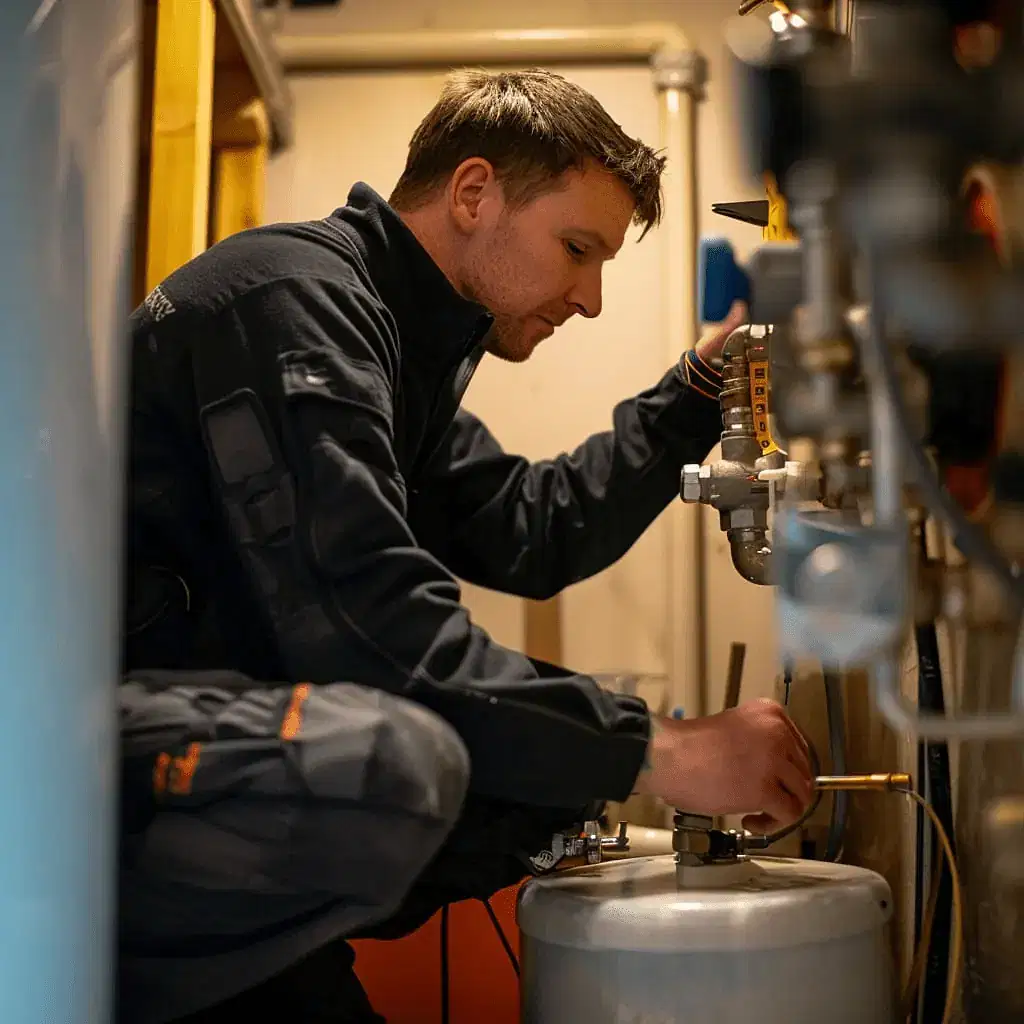
Your home's exterior plumbing is the first line of defense against freezing temperatures. Before the first hard frost, it's crucial to prepare these exposed systems.
- Disconnect and Drain Garden Hoses: Leaving a hose connected to an outdoor tap is one of the most common causes of a frozen pipe. Water trapped inside the hose can freeze and expand back into the pipe within your wall. Disconnect all hoses, drain them completely, and store them in a garage or shed.
- Shut Off Water to Outdoor Taps: Most homes have separate shut-off valves for outdoor faucets located inside, typically in the basement or a crawl space. Turn these valves to the 'off' position.
- Drain the Faucets: After shutting off the interior valve, go outside and open the taps to allow any remaining water to drain out completely. Leave them open for the winter to prevent any pressure buildup.
- Insulate Hose Bibs: For extra protection, install an insulated foam cover over each outdoor faucet. These are inexpensive and available at any local hardware store, providing an effective barrier against cold air.
Step 2: Protect Pipes Inside Your Home
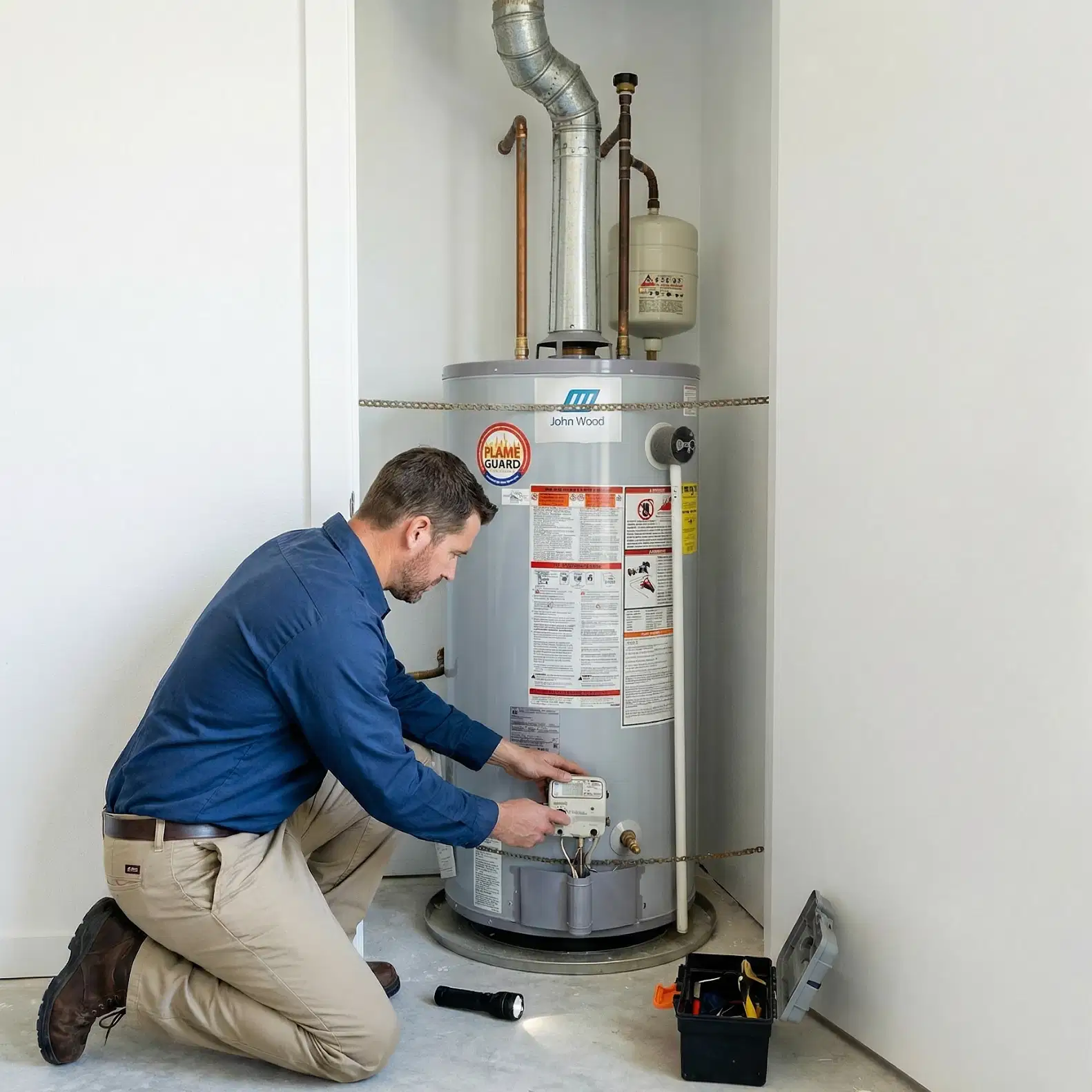
Even with the heat on, certain areas inside your home can get cold enough for pipes to freeze. Focus your attention on these vulnerable spots.
- Insulate Exposed Pipes: Pipes in unheated or poorly insulated areas like crawl spaces, attics, and garages are highly susceptible. Use pipe sleeves or heat tape to insulate both hot and cold water lines. This simple step can make a huge difference.
- Seal Air Leaks: Check for cracks and openings around your foundation, windows, and where pipes enter your home. Use caulk or insulation to seal these gaps and prevent cold air from blowing directly onto your plumbing.
- Keep Your Garage Door Closed: If you have water supply lines in your garage, keeping the door closed will help maintain a higher temperature inside.
- During a Deep Freeze: When temperatures in The 'Wack drop significantly, let cold water drip from a tap served by exposed pipes. The constant movement makes it much harder for water to freeze. Also, consider opening kitchen and bathroom cabinet doors to allow warmer air to circulate around the plumbing underneath the sink.
What to Do in a Plumbing Emergency
Even with the best preparation, problems can sometimes occur. Knowing how to react can minimize the damage.
If a Pipe is Frozen (But Not Burst): If you turn on a tap and only a trickle comes out, you may have a frozen pipe. Keep the faucet open and locate the frozen section. You can try to thaw it gently by applying heat with a hairdryer, an electric heating pad, or by wrapping it in towels soaked in hot water. Never use a blowtorch or any open flame, as this can damage the pipe and create a serious fire hazard.
If a Pipe Bursts:
- Shut Off the Main Water Supply: Your main water shut-off valve is the most important tool you have. Make sure everyone in your household knows where it is and how to turn it off.
- Turn Off Your Hot Water Tank: To prevent damage to the tank, shut off its power or gas supply.
- Call for Professional Help: A burst pipe requires immediate attention. Contact a licensed plumber right away.
At Vinfer Mechanical Ltd, we offer 24/7 emergency services to handle urgent issues like burst pipes quickly and effectively.
Stay Warm and Worry-Free This Winter
Protecting your home from frozen pipes is all about proactive maintenance. By taking these simple steps, you can significantly reduce the risk of a costly and stressful plumbing disaster. A small amount of time invested now can save you a major headache later.
If you'd like a professional assessment of your home's plumbing or need help winterizing your system, the expert team at Vinfer Mechanical Ltd is here to help. We provide comprehensive residential plumbing and maintenance services throughout Chilliwack and the Fraser Valley. Contact us today to schedule a visit and ensure your home is ready for whatever winter brings.