Signs Your Home Air Conditioner Needs Upgrading
When the summer heat settles into Chilliwack, your cooling system becomes the most important appliance in your home. Many of us take our climate control for granted, assuming it will reliably kick on the moment the temperature rises. However, as cooling systems age, they quietly lose their efficiency and reliability, often leading to unexpected breakdowns right in the middle of a July heatwave.
If you find yourself repeatedly calling for repairs, or if you have simply noticed that your living spaces just aren't as comfortable as they used to be, you might be experiencing the early signs of a failing home air conditioner. Knowing exactly when to replace central air conditioning can save you from the stress of emergency service calls and protect you from escalating energy bills. In this guide, we will walk through the key indicators that it is time to stop patching up that old unit and start looking into a modern, reliable replacement.
Your Energy Bills Are Steadily Increasing
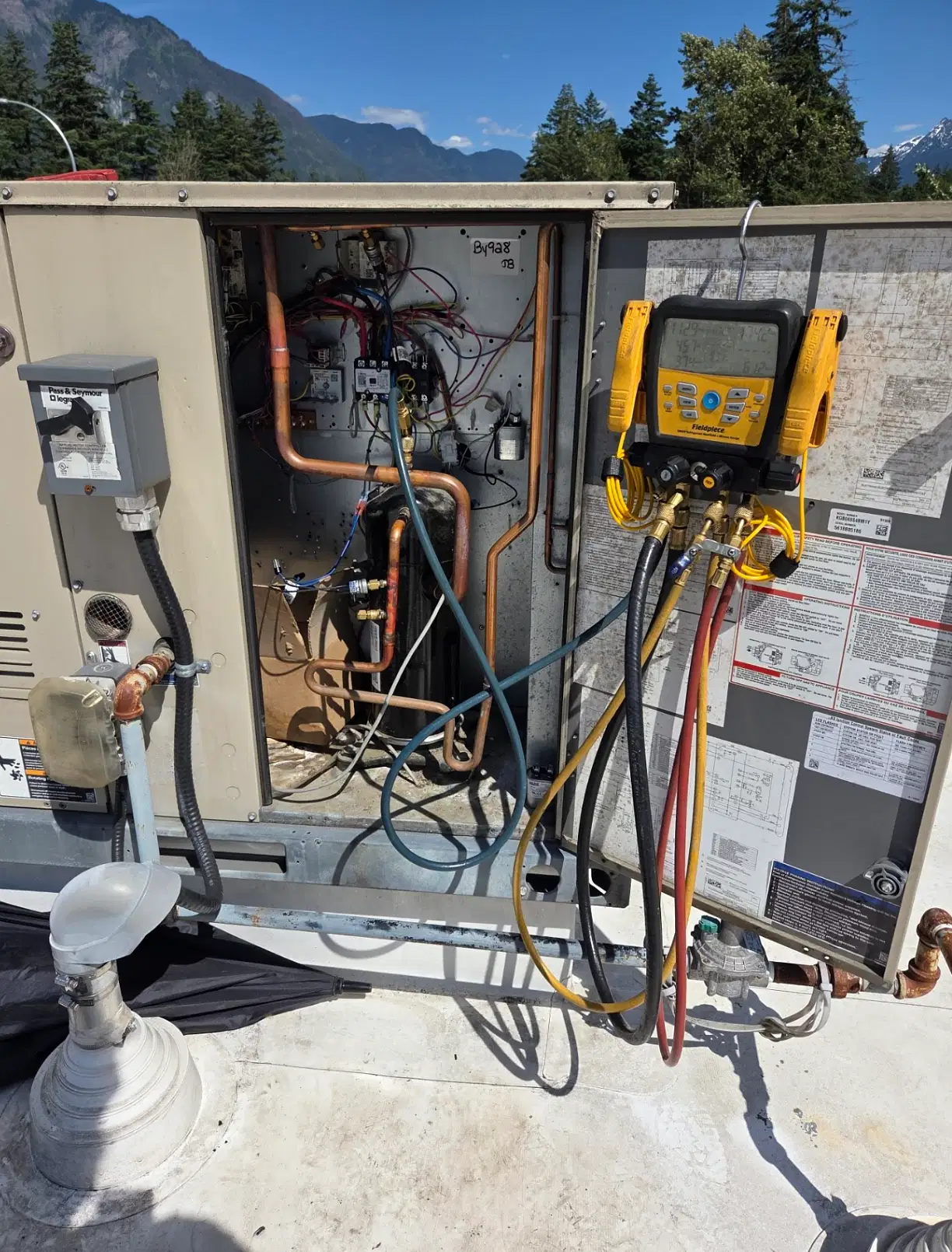
One of the clearest indicators that your cooling system is losing its edge is a gradual but noticeable increase in your monthly utility bills. As cooling equipment ages, internal components suffer from wear and tear. This degradation forces the system to work significantly harder and run for longer cycles just to achieve the temperature set on your thermostat.
If you have been wondering how to improve air conditioner efficiency, the best first step is a professional evaluation. Sometimes, a thorough cleaning, filter replacement, and tune-up will do the trick. However, if your unit is over a decade old, its base efficiency rating is likely far below modern standards. Today's eco-friendly options, including high-efficiency air conditioners and modern heat pumps, align with current environmental sustainability trends and consume a fraction of the electricity of older models. Upgrading not only lowers your monthly carbon footprint but also acts as a safeguard against rising energy costs and helps you align with evolving efficiency standards.
You Are Paying for Frequent, Costly Repairs
Every mechanical system requires occasional maintenance, but there is a clear dividing line between routine preventative care and throwing good money after bad. If your system requires multiple service calls in a single season, or if the cost of an impending repair is more than half the value of a brand-new unit, it is usually time to upgrade.
Furthermore, as older models become obsolete, sourcing replacement parts becomes increasingly difficult and expensive. Many homeowners feel anxious about the upfront cost of a new system, which is why working with professionals who offer transparent, upfront pricing with no hidden fees is crucial. Whether you need ongoing maintenance for a moderately aged unit or a complete system overhaul, professional heating, gas fitting and HVAC services should always focus on providing you with long-term reliability rather than just a quick, temporary fix.
Uneven Cooling and Poor Airflow Throughout the House
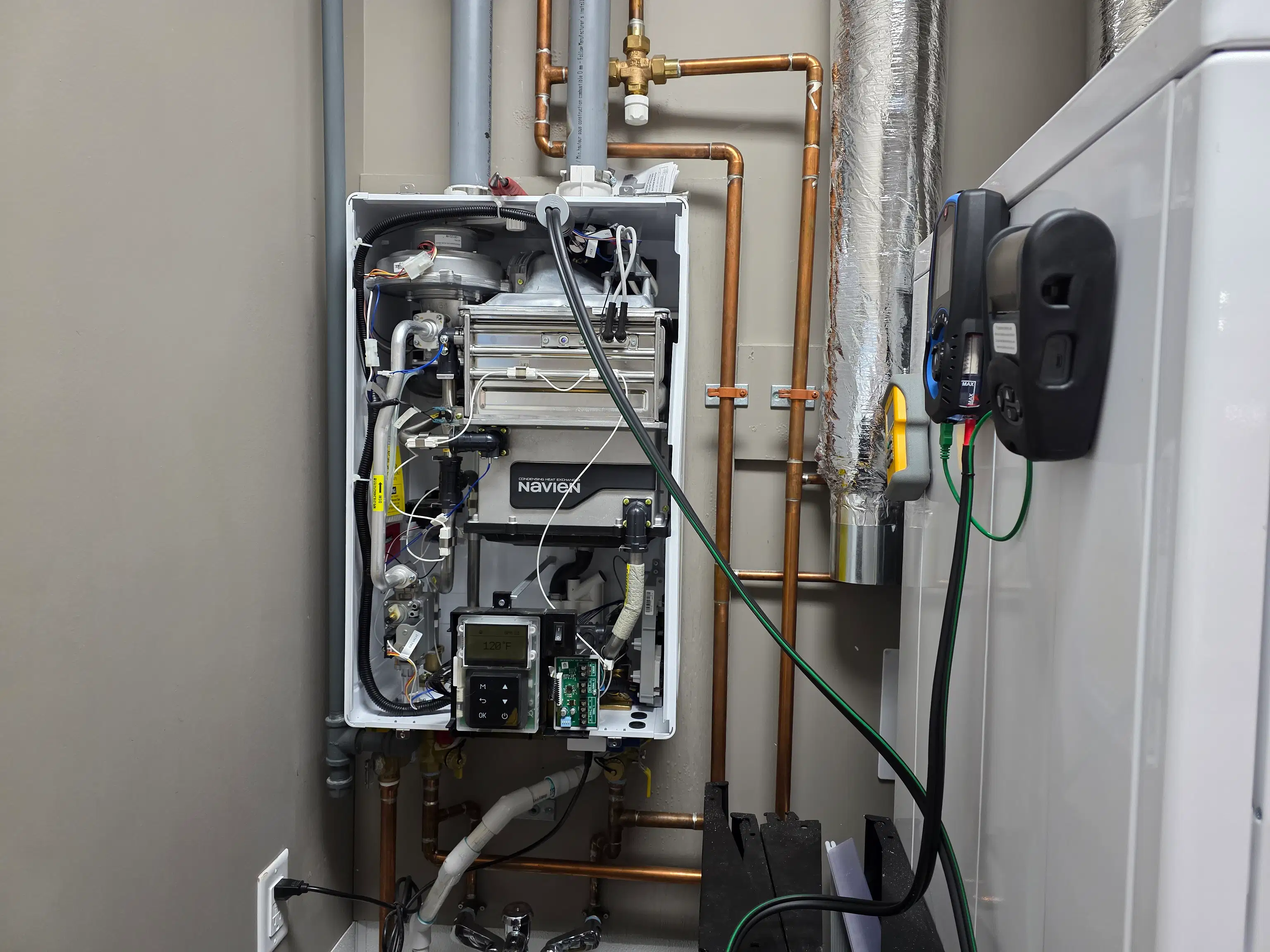
Have you noticed that your main living room feels like a refrigerator while the upstairs bedrooms remain uncomfortably warm and stagnant? Uneven cooling is a very common complaint, particularly in multi-level homes up on Promontory, where property layout and elevation can challenge an aging HVAC system.
This frustrating disparity often occurs because an older compressor is losing its capacity to push treated air evenly throughout your home's ductwork. Additionally, integrating modern smart home technology—such as smart thermostats, zoned cooling sensors, and automated climate routines—is incredibly difficult with outdated hardware. Upgrading your unit ensures robust, even airflow to every single corner of your property, keeping your family perfectly comfortable no matter which room they are spending time in.
The Phase-Out of Older Refrigerants
The age of your unit dictates more than just its energy efficiency; it also dictates the type of refrigerant it uses. If your air conditioner was installed more than ten to fifteen years ago, there is a high likelihood that it relies on R-22 Freon. Due to environmental regulations, this older refrigerant has been entirely phased out of production.
What does this mean for your home? If your aging system springs a leak, recharging the R-22 refrigerant is now incredibly expensive, if not impossible to source. Modern cooling systems utilize environmentally friendly refrigerants that are safer, much more efficient, and readily available. If your current unit still relies on outdated R-22, planning for an upgrade now will save you from a major headache when a leak eventually occurs.
Strange Noises, Odors, and the Age of the Unit
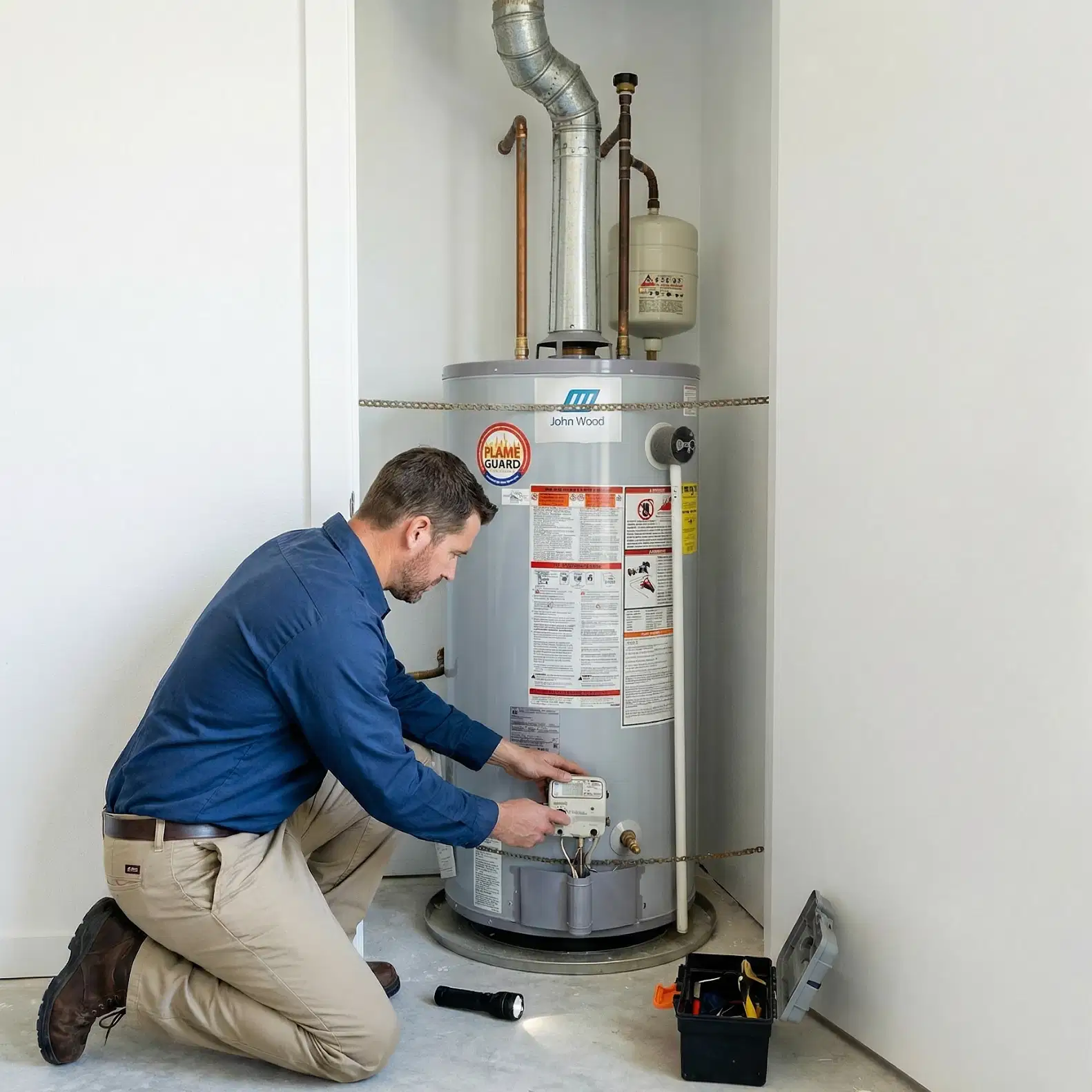
Your cooling system is designed to operate quietly in the background of your daily life. If you start hearing loud grinding, squealing, rattling, or banging noises, it is a strong signal that major internal components—like the blower motor or the compressor itself—are reaching the very end of their operational lifespan.
Similarly, strange odors should never be ignored. A musty smell being blown through your vents could indicate mold growth within the ductwork or the unit's drainage system, while an acrid burning smell often points to a dangerous electrical fault. These aren't just minor annoyances; they are genuine safety concerns for your household. Most traditional central air units last between 10 and 15 years. If your equipment is entering this age bracket and exhibiting these symptoms, replacement is the most logical step.
Moving Forward with a Reliable Upgrade
Deciding to replace your cooling system is a significant investment in your home's future comfort, safety, and property value. For established residential homes, a successful service call means much more than just fixing an immediate problem—it means ensuring that your family enjoys long-term, uninterrupted comfort with systems that are built to last.
If you are tired of patching up an old, inefficient system and want to explore modern cooling solutions, we are here to provide expert guidance and professional installation. Learn more about our AC installation options, or reach out directly through our contact us page to schedule a comprehensive consultation. Let's work together to keep your home in the Fraser Valley perfectly chilled and comfortable all summer long.