Your Essential Guide to Summer Hot Water Tank Maintenance
Summer in Chilliwack is a time for getting outdoors, enjoying the sunshine, and tackling those home projects you’ve been putting off. While you’re focused on the garden or the deck, there’s one crucial appliance working hard inside your home that deserves some attention: your hot water tank. It’s easy to forget about it until you’re faced with a cold shower, but proactive maintenance is key. Summer is the perfect, low-stress time to give your water heater a check-up, ensuring it runs efficiently and reliably all year long, especially before the colder months arrive.
Why Summer is the Ideal Season for a Check-Up
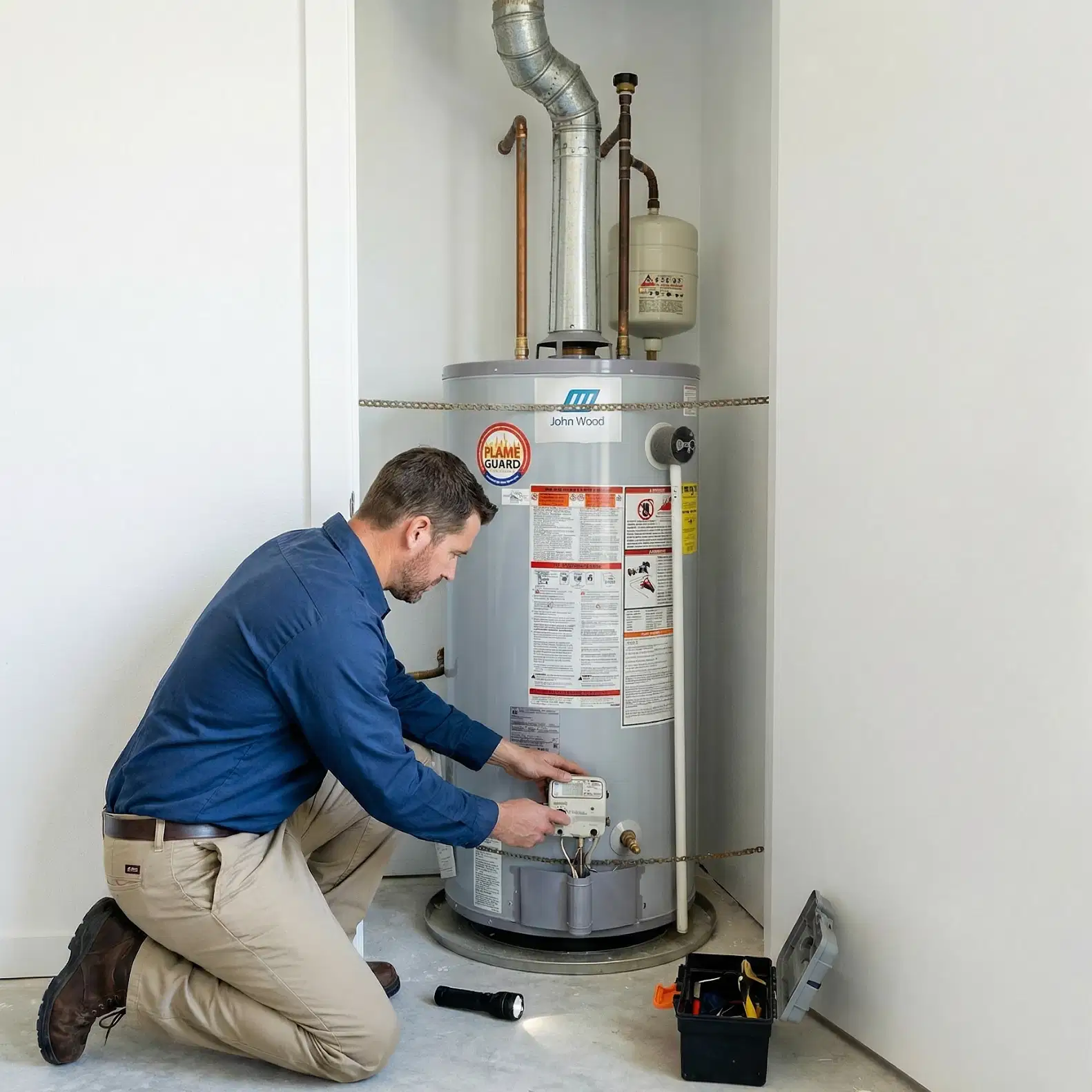
Scheduling plumbing maintenance during the summer might seem counterintuitive, but it’s actually a strategic move. Here’s why:
- Lower Demand: Your household's hot water usage typically decreases in the summer. Shorter, cooler showers and less reliance on hot water for heating means your tank isn't working as hard. This creates a perfect window for maintenance without causing major disruption to your family's routine.
- Preventative Care: Addressing minor issues now can prevent a major breakdown during the fall and winter when you need hot water the most. Discovering a problem in July is far less stressful than dealing with a failed unit in the middle of a cold snap.
- Improved Efficiency: A well-maintained hot water tank uses less energy. Getting it serviced before the high-demand season ensures you’re not paying extra on your utility bills due to inefficiency when usage ramps up again.
Key Maintenance Steps to Extend Your Water Heater's Lifespan
A little bit of maintenance can go a long way in preventing costly repairs and premature replacement. While we always recommend professional servicing for safety and thoroughness, understanding the process helps you know what to look for.
1. Test the Temperature and Pressure Relief (TPR) Valve
The TPR valve is a critical safety feature designed to release pressure if it gets too high inside the tank. A faulty valve can be dangerous. Testing it involves lifting the lever to ensure water flows out of the discharge pipe. Caution: The water released will be hot. This is a simple but vital check that should be part of any professional plumbing maintenance service.
2. Flush the Tank to Remove Sediment
Over time, minerals like calcium and magnesium naturally present in our water supply settle at the bottom of the tank, creating a layer of sediment. This buildup forces your water heater to work harder to heat the water, reducing its efficiency and lifespan. It can also be the cause of those popping or rumbling sounds you might hear. Flushing the tank annually removes this sediment, restoring efficiency and preventing corrosion. This is one of the most effective ways to prolong the life of your unit.
3. Inspect the Anode Rod
Inside your tank is a component called a “sacrificial” anode rod. Its job is to attract corrosive elements in the water, essentially sacrificing itself to protect the tank's inner lining from rust. These rods need to be checked every couple of years and replaced when they are significantly corroded. A depleted anode rod leaves your tank vulnerable, leading to leaks and eventual failure. This inspection is best left to a professional, as it requires shutting off the water and power and using specialized tools.
Warning Signs: When to Call a Professional Plumber
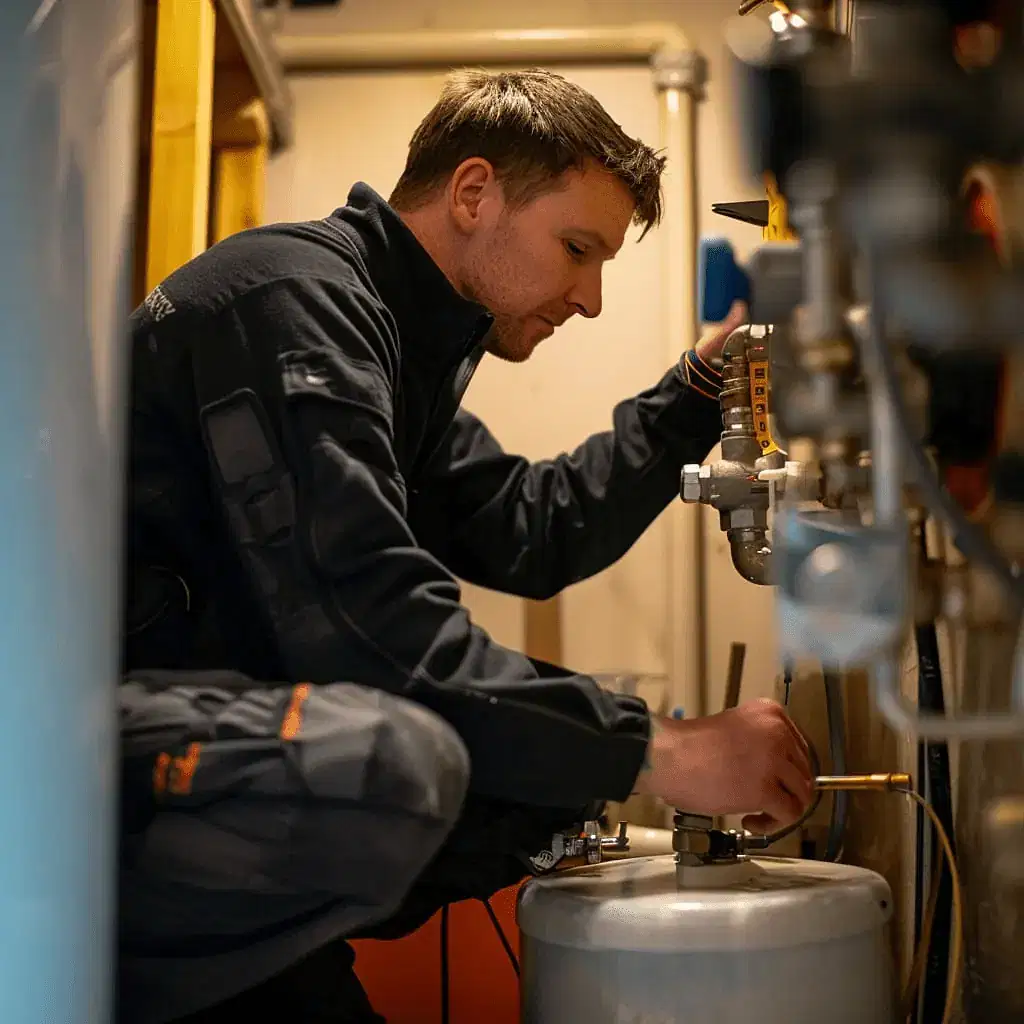
Even with regular maintenance, hot water tanks eventually wear out. Being able to spot the warning signs can help you avoid a sudden, messy failure. Contact a professional if you notice any of the following:
- Inconsistent Water Temperature: If your hot water runs out quickly or isn't as hot as it used to be, it could be a sign of a failing heating element or excessive sediment buildup.
- Strange Noises: Loud popping, rumbling, or banging sounds often indicate a significant sediment problem that requires immediate attention.
- Discolored or Smelly Water: Water that appears rusty or has a metallic odor can signal that the inside of your tank is corroding.
- Visible Leaks or Moisture: Any water pooling around the base of your hot water tank is a clear sign of a problem. Even small leaks can worsen quickly and cause significant water damage.
If you're experiencing any of these issues, it's time to call for a professional diagnosis. Our team can assess the problem and let you know if a repair is possible or if it's time to consider a new, more efficient water heater installation.

Protect Your Investment with Vinfer Mechanical Ltd
Your hot water tank is a vital part of your home's comfort and daily routine. Taking the time this summer for proactive maintenance ensures it operates safely, efficiently, and reliably for years to come. It’s a simple step that provides peace of mind and helps you avoid the cost and inconvenience of an unexpected breakdown.
Don't wait for a cold surprise this fall. If it's been a while since your hot water tank was serviced, or if you've noticed any warning signs, our team at Vinfer Mechanical Ltd is here to help. Contact us today to schedule professional plumbing maintenance for your Chilliwack home and keep your hot water flowing.